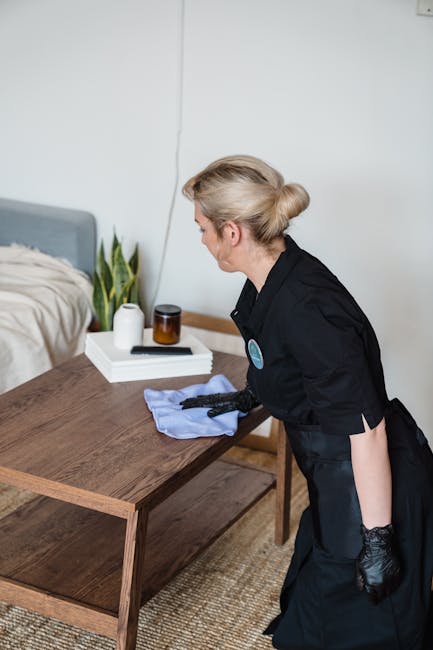
Burnt Oak estate end of tenancy cleaning Edgware
If you are moving out of a flat or house in Burnt Oak, the final clean can feel like the last big hurdle. Burnt Oak estate end of tenancy cleaning Edgware is not just about making a place look tidy for one more viewing. It is about restoring the property to a standard that helps you leave on good terms, reduce avoidable disputes, and hand back the keys with confidence.
In practice, that means dealing with the things people often miss: greasy kitchen corners, limescale around taps, skirting boards, inside cupboards, ovens that have seen better days, and the small marks that somehow appear on doors and light switches. If you have ever stood in an empty room at 8pm, tired, surrounded by boxes, you will know the feeling. Where do you even start?
This guide breaks down what end of tenancy cleaning involves, how it works in a Burnt Oak and Edgware move-out context, what matters most to landlords and letting agents, and how to avoid the usual mistakes. It also includes practical steps, a comparison table, a checklist, and answers to the questions people actually ask.
Table of Contents
- Why Burnt Oak estate end of tenancy cleaning Edgware Matters
- How Burnt Oak estate end of tenancy cleaning Edgware Works
- Key Benefits and Practical Advantages
- Who This Is For and When It Makes Sense
- Step-by-Step Guidance
- Expert Tips for Better Results
- Common Mistakes to Avoid
- Tools, Resources and Recommendations
- Law, Compliance, Standards, or Best Practice
- Options, Methods, or Comparison Table
- Case Study or Real-World Example
- Practical Checklist
- Conclusion
- Frequently Asked Questions
Why Burnt Oak estate end of tenancy cleaning Edgware Matters
End of tenancy cleaning matters because move-out cleans are judged differently from everyday domestic cleaning. A home can look perfectly liveable and still fail the standard expected at the end of a tenancy. That is the awkward truth. Once furniture is removed, every patch, drip, dusty edge, and forgotten crumb becomes much more visible.
In Burnt Oak and the wider Edgware area, rental properties often see frequent turnover, which means landlords and agents tend to be fairly sharp-eyed about condition. They are not usually looking for perfection in the unrealistic sense. They are looking for a clean, presentable property that has been properly maintained and returned in a respectable state.
That is why a proper move-out clean can be the difference between a smooth handover and a back-and-forth conversation about stains, odours, or missed areas. If the property includes carpets, an oven, bathroom tiling, or window tracks, those details become even more important.
There is also a practical side. A thorough clean can help you spot forgotten items, minor damage, or issues that should be reported before checkout. You may notice a loose handle, a cracked tile, or a leak stain that was hidden behind a washing machine. Better to know before the inventory check than after it.
Expert summary: the best end of tenancy cleaning is not just a visual tidy-up. It is a room-by-room reset that reduces disputes, supports a fair checkout, and gives the next occupant a properly cleaned space.
How Burnt Oak estate end of tenancy cleaning Edgware Works
End of tenancy cleaning usually follows a deep-clean approach, but with more focus on move-out standards and inspection readiness. The process is more detailed than a typical weekly or even one-off clean. It is designed to cover all the "hidden" areas that are easy to ignore when someone still lives there.
Most jobs start with an assessment of the property size, number of rooms, condition, and any extra tasks such as oven cleaning, carpet cleaning, or upholstery treatment. A one-bedroom flat with light wear will obviously need less work than a family house with hard-water staining, built-up kitchen grease, and a year of traffic on the stairs. To be fair, that is normal.
Then the cleaning work is usually carried out room by room. Kitchens and bathrooms tend to take the most time because they carry the most grime in the smallest space. Living rooms and bedrooms are more about dust control, edge cleaning, and surface detailing. Windows, mirrors, fixtures, sockets, and skirting boards often need extra attention too.
If you are booking a professional service, it is sensible to check what is included and what is considered an add-on. For example, some providers bundle specialist tasks into the main service, while others separate them. You can review general service information on end of tenancy cleaning, and if you need a broader level of sanitising beforehand, deep cleaning may also be useful in some situations.
One practical detail people forget: an empty property often reveals dust that was hidden behind furniture. The final result can look surprisingly different once wardrobes are moved, beds are gone, and sunlight hits the windows at 3pm. Suddenly every little thing shows. A proper clean should account for that.
Key Benefits and Practical Advantages
A strong move-out clean offers more than a shiny sink. It reduces friction, saves time, and helps the whole move feel less chaotic. And moving is chaotic enough already.
- Better checkout presentation: the property looks cared for and ready for inspection.
- Lower chance of cleaning disputes: a documented, thorough clean helps reduce avoidable disagreements.
- Time saved on moving week: you can focus on keys, transport, packing, and paperwork.
- More reliable results in hard-to-reach areas: behind appliances, inside cabinets, and around fittings.
- Improved hygiene and smell: stale odours, food residue, and bathroom build-up are tackled properly.
- Better outcome for deposits: while no service can guarantee a deposit return, a professional-standard clean supports your position.
The quieter benefit is peace of mind. When the clean is done well, you stop second-guessing whether you missed something. That matters more than people realise. A clean checkout feels like closure.
There is also a practical value in reducing future cleaning work for the landlord or incoming tenant. A properly cleaned property is easier to hand over, easier to photograph, and easier to manage. Everyone benefits, really.
Who This Is For and When It Makes Sense
Burnt Oak estate end of tenancy cleaning Edgware is relevant to tenants, landlords, and letting agents, but the reasons vary slightly for each group.
Tenants need it when they are moving out and want to leave the property in good condition for the inventory check. This is especially important if the tenancy agreement specifies professional cleaning or if the property has visible wear from normal day-to-day use.
Landlords may need a turn-around clean between tenancies, especially after a long let or if the previous occupant did not leave the property in a satisfactory condition. In some cases, a landlord might also use it after maintenance work or before new photography and marketing.
Letting agents often need a reliable cleaning standard that supports quick re-letting. Empty properties have a way of exposing everything. A tidy room is one thing; a room that photographs well for listings is another.
This service makes the most sense when the property is:
- being handed back at the end of a tenancy
- empty and ready for inspection
- showing obvious kitchen or bathroom build-up
- in need of carpet, oven, or upholstery attention
- under time pressure before moving day
If you only need a lighter reset before a new tenant moves in, one-off cleaning can sometimes be the better fit. For occupied homes, domestic cleaning may be more appropriate. Context matters, and a good service should match the job rather than force it into a one-size-fits-all box.
Step-by-Step Guidance
Here is a practical way to approach a move-out clean without losing your mind halfway through.
- Read the tenancy instructions first. Check what the agreement says about cleaning, carpets, appliances, and any required condition at handover.
- Remove all belongings. Do not try to deep-clean around packed boxes if you can avoid it. Empty space gives you visibility and speed.
- Work top to bottom. Start with higher surfaces, shelves, and fittings, then move down to skirting boards, floors, and carpets.
- Focus on kitchen and bathroom hotspots. These areas usually carry the most scrutiny. Think extractor fans, taps, seals, splashbacks, grout, toilet bases, and inside cupboards.
- Treat appliances carefully. Ovens, fridges, and microwaves need detail work. A quick wipe is rarely enough.
- Clean windows and frames. Finger marks and streaks stand out far more than people expect, especially in daylight.
- Vacuum, mop, and finish edges. The last 10% of the job often makes the biggest difference. Corners, edges, and under radiators matter.
- Do a final inspection in natural light. If possible, walk the property once in the morning or late afternoon when marks are easier to see.
If carpets are tired or stained, pairing the clean with carpet cleaning can make the whole place feel dramatically fresher. For homes with soft furnishings, upholstery cleaning may also be worth considering, especially if there is lingering odour or visible marking. Simple, yes. But very effective.
Expert Tips for Better Results
In our experience, the difference between an acceptable clean and a really strong one usually comes down to detail discipline. Not fancy products. Not frantic scrubbing. Just consistency.
Tip 1: use dwell time wisely. Spray kitchen degreaser, bathroom cleaner, or limescale remover and give it time to work. Wiping too soon is a common mistake. Let the product do some of the heavy lifting.
Tip 2: clean doors, handles, and switches. These are tiny high-touch zones, and they tell a story. If they are grubby, the whole property feels less cared for.
Tip 3: check inside cupboards and drawers. Move-out inspections often include these spaces. A few crumbs in a drawer can spoil an otherwise decent finish. Slightly annoying, but true.
Tip 4: do not forget extractor fans and vents. Dust here is easy to miss, yet it gives a tired impression when seen up close.
Tip 5: work in daylight where you can. Artificial light hides streaks and missed spots. Morning light from a window can reveal what the ceiling bulb does not.
Tip 6: match the method to the surface. Hard floors, laminate, tile, natural stone, and carpet all need different treatment. If you are unsure, use the gentlest effective approach.
If the property has hard flooring in hallways or kitchens, hard floor cleaning can help remove dull film and restore a neater finish. For a thorough kitchen reset, oven cleaning is often the most time-saving specialist task to outsource because ovens can soak up hours otherwise.
Common Mistakes to Avoid
Move-out cleaning errors are usually very ordinary. That is what makes them frustrating. People know the place needs a big clean, but underestimate what counts.
- Leaving it until the last evening: moving day is already full of boxes, keys, and phone calls. Cleaning under pressure rarely goes well.
- Ignoring hidden spaces: behind radiators, under sinks, inside the oven, top shelves, and window tracks often get missed.
- Using the wrong products: too much bleach, harsh abrasives, or soaking delicate surfaces can cause avoidable damage.
- Forgetting appliances: the fridge, freezer, microwave, oven, and extractor are common inspection points.
- Not drying surfaces properly: streaks on glass, water marks on chrome, and damp floors can make a clean look half-finished.
- Assuming "tidy" equals "inspection ready": tidy is not the same as cleaned to handover standard.
A lot of people also forget the small smell test. Open the fridge, check under the sink, and stand in the hallway for a minute. Does anything smell stale, damp, or burnt? If yes, there is still work to do. Your nose is annoyingly useful here.
Tools, Resources and Recommendations
You do not need a warehouse of equipment, but the right tools make a big difference. A sensible end of tenancy kit usually includes:
- microfibre cloths
- non-scratch sponges
- vacuum cleaner with attachments
- mop and bucket
- glass cleaner
- degreasing spray
- bathroom cleaner for limescale and soap residue
- disposable gloves
- a limescale treatment suitable for taps and shower screens
For bigger jobs, especially where the property has been occupied for a long time or needs a full reset, a professional cleaning company can be more efficient than trying to do everything yourself after moving logistics have swallowed your day. If you are comparing options, it can help to start with the general service information on cleaning company and cleaners, then decide whether you need a specialist approach or a broader package.
Sometimes the right recommendation is simply this: use specialist help for the parts that are slow, awkward, or physically demanding. That might mean ovens, carpets, upholstery, or windows. Then do the easier surface tidying yourself. A sensible split, not a heroic one.
Law, Compliance, Standards, or Best Practice
For UK tenancies, the key point is usually not a dramatic legal rule about cleaning products or a single universal standard. It is more practical than that. Tenancy agreements, inventory reports, property condition, and fair wear and tear all shape what is expected at checkout.
Landlords and agents normally assess whether the property has been returned in a reasonably clean condition, taking into account how it was occupied and maintained. The exact wording in the tenancy agreement matters. So does the inventory taken at the start of the tenancy, because that is the baseline both sides often refer back to.
Best practice in a move-out clean is straightforward:
- clean thoroughly and consistently across all rooms
- use appropriate products for each surface
- avoid damage from over-wetting or harsh chemicals
- document any pre-existing marks or issues before cleaning, where possible
- make sure all agreed extras are completed if they form part of the handover expectation
There are also sensible safety considerations. If you are cleaning ovens, high windows, or using strong chemicals in a confined bathroom, think about ventilation, gloves, and safe handling. For reassurance on how a provider approaches this, it is reasonable to look at their health and safety policy and insurance and safety information. That is just good judgement, honestly.
And if something goes wrong with a booking, communication matters. A clear complaints procedure is a useful sign that a company handles issues in a structured way rather than leaving you to chase and guess.
Options, Methods, or Comparison Table
When people search for Burnt Oak estate end of tenancy cleaning Edgware, they are often comparing three routes: doing it themselves, hiring a general cleaner, or booking a specialist move-out service. Each option has a place.
| Option | Best for | Strengths | Limitations |
|---|---|---|---|
| DIY clean | Small properties, light wear, tight budgets | Cheapest upfront, flexible timing | Time-consuming, easy to miss detail, physically tiring |
| General cleaner | Routine maintenance and lighter move-out jobs | Helpful for surfaces and general tidying | May not include deeper appliance or inspection-level detailing |
| End of tenancy specialist | Handovers, checkout cleans, properties needing a reset | More thorough, inspection-focused, usually more efficient | Costs more than a basic clean, may require access planning |
The most sensible option depends on the condition of the property and how much time you actually have. If you have already packed, handed back utilities, and you are trying to squeeze a clean into a moving van schedule, the specialist route often makes the least stressful sense.
For properties with fabric furniture, sofa cleaning can help if marks or odours are part of the issue. If curtains, chairs, or other soft items are in scope, upholstery cleaning may be the more practical comparison point.
Case Study or Real-World Example
A typical Burnt Oak move-out might look like this: a two-bedroom flat, occupied for just over a year, with a kitchen that has seen a fair amount of cooking and a bathroom showing water marks around the basin and shower screen. The tenant has already moved boxes out, but there is still a little dust behind the radiator, a greasy patch near the hob, and a few streaks on the windows from someone trying to "just give them a quick wipe" the night before.
In that situation, the clean usually works best in stages. First the kitchen, because that is where the sticky residue sits. Then the bathroom, because limescale and soap film can make the whole place feel less fresh than it is. After that, the floors, skirting, and window areas. If there is carpet in bedrooms, a proper vacuum plus spot treatment may be enough in some cases; in others, a more detailed treatment is worth it.
What makes the difference is not dramatic effort. It is sequencing. Once the heavy rooms are dealt with, the rest falls into place faster. A light room can become a good room very quickly once the obvious problem areas are sorted.
We have seen plenty of cases where people were convinced the property was "basically fine" and then discovered, after the cleaning was done, that the place looked entirely different. Brighter. Less tired. More like somewhere you would happily hand over without a second thought. That shift is the whole point.
Practical Checklist
Use this checklist before checkout day. It is simple, but it helps.
- all personal belongings removed
- bins emptied and disposed of properly
- kitchen cupboards cleaned inside and out
- oven, hob, and extractor cleaned
- fridge and freezer emptied, defrosted if needed, and cleaned
- bathroom descaled and sanitised
- all mirrors, glass, and chrome wiped streak-free
- skirting boards, switches, and doors wiped down
- windows, frames, and sills cleaned
- floors vacuumed and mopped
- carpets treated or professionally cleaned if required
- soft furnishings cleaned if needed
- any minor damage or existing issues noted
- final walkthrough completed in natural light
If the job feels too large, cut it into zones. Kitchen first. Bathroom second. Living spaces third. Bedrooms last. Simple structure saves a surprising amount of stress.
Get a free quote today and see how much you can save.
Conclusion
Burnt Oak estate end of tenancy cleaning Edgware is ultimately about handing a property back cleanly, clearly, and without unnecessary drama. The best results come from a careful plan, attention to the overlooked details, and realistic timing. Not rushed. Not guessed. Just properly done.
Whether you are a tenant trying to protect your deposit position, a landlord preparing for the next occupant, or a letting agent managing the handover, the same principle applies: a thorough move-out clean makes the transition smoother. And honestly, moving is hard enough without leaving the final impression to chance.
Take it step by step, focus on the areas that matter most, and do not underestimate the difference a truly detailed clean can make. It is one of those jobs that looks invisible when it is done well, which is exactly how it should be. Quietly right. Clean. Ready. Done.
Frequently Asked Questions
What is included in Burnt Oak estate end of tenancy cleaning Edgware?
It usually includes a full property clean with attention to kitchens, bathrooms, floors, surfaces, skirting boards, windows, and often appliances such as ovens. Exact inclusions can vary, so it is worth checking what the service covers before booking.
How is end of tenancy cleaning different from regular domestic cleaning?
End of tenancy cleaning is more detailed and inspection-focused. It goes beyond routine tidying or maintenance and aims to return the property to a handover-ready condition, including hidden areas that are often missed in weekly cleaning.
Do I need professional end of tenancy cleaning to get my deposit back?
Not always, but a professional clean can strengthen your position if the tenancy agreement expects the property to be returned in a thorough condition. Deposit decisions also depend on the inventory, the property condition, and any damage or wear.
How long does a move-out clean usually take?
It depends on the size of the property, how dirty it is, and whether specialist tasks are included. A small flat may be quicker, while a larger home or a property with heavy kitchen build-up can take significantly longer.
Should I clean before or after moving out?
After moving out is usually easier because furniture and boxes are gone. Empty rooms let you reach behind and under things properly, which is where a lot of move-out dirt hides.
Can end of tenancy cleaning include carpets and upholstery?
Yes, if those services are needed. Carpet and upholstery cleaning are often useful add-ons when there are stains, lingering odours, or noticeable wear. They can make a big difference to the overall finish.
What areas are most commonly missed?
Inside cupboards, behind radiators, around taps, skirting boards, light switches, extractor fans, window tracks, and the tops of doors are common miss points. These little areas matter more than people expect.
Is oven cleaning usually included?
Sometimes, but not always. Oven cleaning is often treated as a specialist task. It is best to confirm whether the service includes it or whether it needs to be booked separately.
What should I do if the property has already been partly cleaned by the previous tenant?
You should still carry out a full check. Even if the place looks fairly clean, the hidden details may not meet move-out standards. A quick visual inspection can be misleading, especially in kitchens and bathrooms.
How do I know if I need a deep clean or an end of tenancy clean?
If you are handing the property back to a landlord or agent, end of tenancy cleaning is usually the better match. If the property is occupied and simply needs a thorough reset, deep cleaning may be more appropriate.
What if I am on a tight moving deadline?
Then prioritise the rooms that affect inspection most: kitchen, bathroom, floors, and visible fixtures. If time is still short, bring in help for the hardest tasks and focus your own effort on the easy wins. That is often the smartest move, not the fanciest one.
How can I compare cleaning options sensibly?
Look at scope, timing, and whether the property needs specialist work. A basic cleaner may be enough for lighter jobs, but an inspection-level handover usually benefits from a more focused end of tenancy service.